







Search Results for: production region
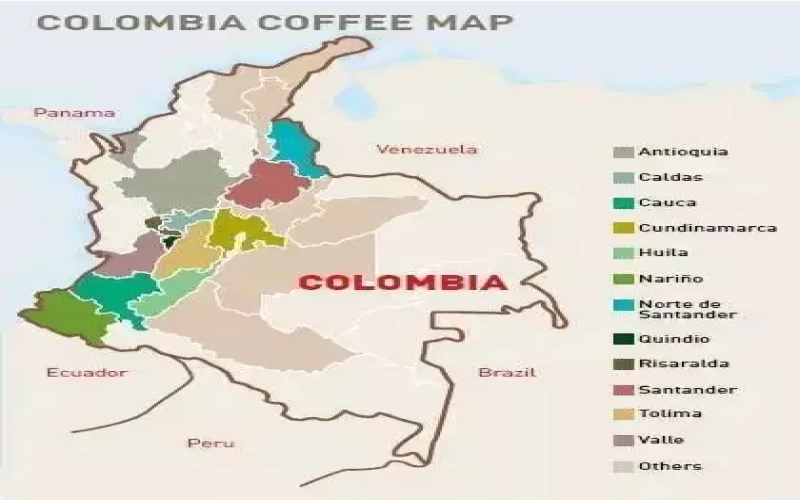
A Complete Guide to Colombian Specialty Coffee Regions: Harvest Seasons, Flavor Profiles, Varieties, and Processing Methods
Colombia is the world's third-largest coffee exporter and the largest exporter of Arabica beans and washed beans. This article systematically reviews the core knowledge of Colombian specialty coffee: starting from the terroir conditions of the three major producing regions in the Andes Mountains, it explains in detail the differences between the northern and southern harvest seasons and the harvest time windows, introduces major varieties such as Caturra, Bourbon, and Castillo as well as the history of disease-resistant breeding, analyzes the unique characteristics of household washed processing, and examines one by one the flavor characteristics of well-known producing regions such as Santander, Huila, Cauca, and Nariño. The article also includes the producing region information and brewing flavors of several Colombian beans from Front Street Coffee, providing coffee enthusiasts with a complete framework for understanding Colombian coffee. [more…]

A Complete Guide to African Coffee-Producing Countries: From Ethiopia to Tanzania, a Specialty Flavor and Origin Guide
Africa, as the continent of coffee's origin, nurtures coffee beans with highly distinctive flavors thanks to its unique climate and terrain. From Ethiopia's Yirgacheffe to Kenya's AA grade, and from Yemen's Mocha to Tanzania's Kilimanjaro, each producing region displays alluring fruit acidity and regional character. This article systematically reviews the cultivation history, varieties, processing methods, and flavor characteristics of Africa's major coffee-producing countries, and includes information on various cooperatives and representative bean lots, making it suitable for coffee enthusiasts who want an in-depth understanding of the full picture of African specialty coffee. [more…]
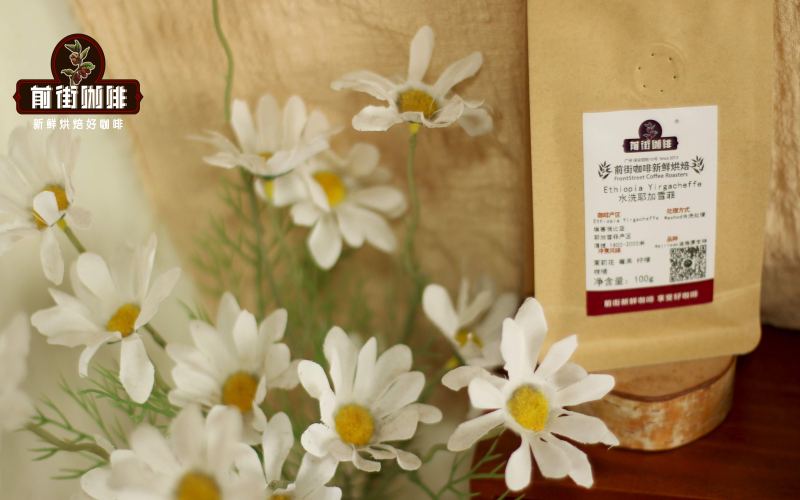
Ethiopia Sidamo vs. Yirgacheffe: A Comparative Analysis of Flavor Differences, Farming Systems, and Representative Coffee Beans
Yirgacheffe and Sidamo are both important representatives of Ethiopian specialty coffee, yet they present distinctly different floral and fruity profiles. Yirgacheffe is known for its bright citrus acidity and white floral notes, while Sidamo has a fuller berry juice character. Starting from Ethiopia's four major coffee-growing systems, this article will outline the distribution and flavor characteristics of nine major specialty producing regions, with a focus on comparing the growing environments, variety composition, and processing methods of Yirgacheffe and Sidamo. It will also introduce the flavor performance and brewing suggestions of representative beans under Front Street Coffee, such as the Gotiti Cooperative, Red Cherry, Huakui, and Kochere, helping coffee lovers more clearly choose the cup that suits their taste. [more…]
Shakisso in Ethiopia's Guji region: A full analysis of coffee beans from origin conditions to flavor performance
Ethiopia's administrative hierarchy consists of four levels: Region, Zone, woreda, and kebele, and the naming of local green coffee beans often follows this system as well. The Guji-Shakisso focused on in this article is located southeast of Yirgacheffe and, in terms of administrative division, falls under Oromia Region → Guji Zone → Shakisso woreda, making it a regional-type coffee origin. Thanks to its outstanding geographical conditions and cup performance, Guji is an independent ECX production region, and Shakisso is one of its much-watched micro-regions. This article will sort out its altitude, soil, processing methods, and flavor characteristics, and review Shakisso's impressive achievements on the international specialty coffee stage. Front Street Coffee also continues to pay attention to high-quality lots from this production area, bringing coffee lovers choices worth tasting. [more…]
Ethiopian Yirgacheffe and Sidamo Regions Explained: A Complete Guide to Brewing and Flavor of Front Street Coffee's Huakui Beans
Ethiopia, as the birthplace of coffee, often confuses beginners with its regional divisions. There are only three officially registered producing regions—Yirgacheffe, Sidamo, and Harar—but the micro-regions actually in circulation are far more numerous. Front Street Coffee will guide you through the relationships among these regions, with a focus on popular sub-regions such as Guji Hambela, Shakiso, and Uraga. The article will also provide a detailed breakdown of the origin information, processing method, and flavor characteristics of Front Street's Huakui G1 coffee beans, along with practical brewing suggestions to help you better savor this natural-process bean with its strawberry and cream aromas. [more…]
What is the difference between Mandheling and Golden Mandheling? An analysis of the flavor and taste characteristics of Mandheling pour-over coffee.
Mandheling coffee is hailed as the representative of specialty coffee in Asia, while Golden Mandheling attracts much attention for its higher price. Both originate from the island of Sumatra in Indonesia, so why is the price gap so wide? This article systematically sorts out the core differences between Mandheling and Golden Mandheling, from the origin of the name Mandheling, the way Indonesian production regions are defined, and the classification of export grades, to the evolution of the Lintong and Aceh production regions. At the same time, combined with pour-over extraction, it introduces the flavor and taste characteristics of Mandheling, and recommends Front Street Coffee's Mandheling and Golden Mandheling products, helping coffee enthusiasts build a clear understanding. [more…]
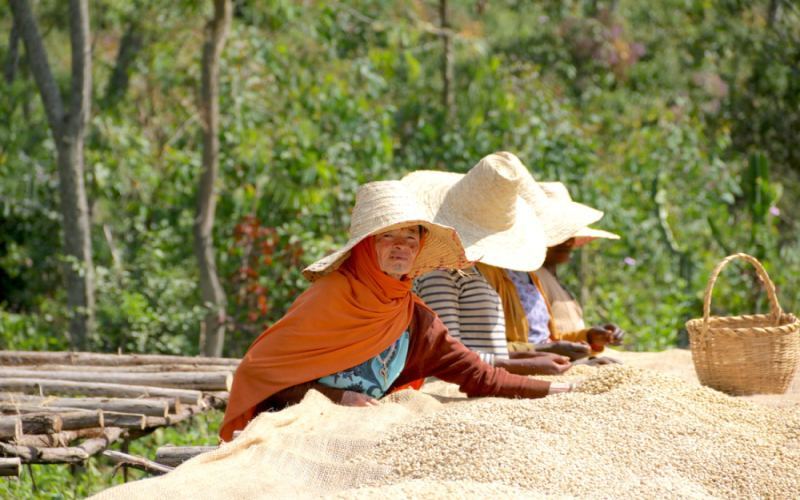
Ethiopia Guji Hambela: The Coffee Geography Evolution from Sidamo Separation to the Legend of Huakui
Ethiopia, as the birthplace of coffee, has a regional division far more complex than any administrative map. In the past, we were accustomed to labeling the origin of Huakui as "Sidamo," but today "Guji" has become the more common traceability information. Behind this change is the process by which the Guji region, relying on high altitude, fertile soil, and refined processing methods, became independent from Sidamo and rose rapidly. Hambela, as a star sub-region of Guji, is both a farm and a processing station, and gave birth to the Huakui series that has swept the specialty coffee world. Front Street Coffee will guide you through this evolution of coffee geography and retain detailed interpretations of products such as Huakui 8.0. [more…]
A Complete Analysis of Brazilian Coffee Regions, Flavors, and Bean Characteristics: Production, Origins, and Representative Varieties
Brazil is a major player in the global coffee landscape, with coffee farms found in half of its 26 states, but the main producing regions are concentrated in five states in the southeast: Bahia, Espírito Santo, Minas Gerais, Paraná, and São Paulo. Among them, Minas Gerais contributes nearly half of the country's total production and is further divided into four sub-regions with distinct terroir characteristics: Cerrado, Chapada, Matas, and Sul de Minas. Espírito Santo is an important stronghold for Robusta, São Paulo is home to premium producing areas such as the Port of Santos and Mogiana, Bahia has risen rapidly through high-tech cultivation, and northern Paraná focuses on Arabica. The following will examine each producing region one by one in terms of altitude, climate, representative varieties, and cup flavor, helping coffee enthusiasts build a systematic understanding of Brazilian coffee. [more…]
Ethiopia Guji Zone In-Depth Analysis: The Terroir Code of the Shakiso Micro-Region and the Traceability of 90+ Legendary Lots
Ethiopia, as the birthplace of coffee, has a regional division system like a precise pyramid, nested layer by layer from Region down to kebele. Southeast of Yirgacheffe lies a micro-region with an altitude exceeding 1,800 meters—Shakisso—where fertile black soil and significant day-night temperature differences nurture coffee flavors that astonish international specialty buyers. In 2010, Guji was made an independent region by the ECX, and Shakisso is the brightest star on this land. From the legendary 90+ bean Nekisse to Level Up's Flower Language, what terroir logic and processing techniques lie behind these repeatedly high-scoring coffees? Front Street Coffee will take you deep into Guji to uncover the unique charm and market value of Shakisso coffee. [more…]
A Comprehensive Analysis of the Flavor Characteristics, Growing Environment, and Processing Methods of Single-Origin Beans from Ethiopia's Kochere Region
Kochere is located southwest of Yirgacheffe in Ethiopia and is one of the most representative specialty coffee sub-regions in the Gedeo Zone. It enjoys the natural advantages of primary forest cover, deep red-brown clay, and high altitude, and its coffee is famous for a delicate flavor profile interwoven with citrus, stone fruit, and tea-like notes. This article systematically reviews Kochere's cultivation history, geographical production conditions, variety characteristics, and washed processing method, and provides detailed introductions to the flavor descriptions and specification information of several Kochere G1 single-origin beans under the Front Street Coffee brand—Debo, Hama, and Godochoa—while also extending to an introduction of the broader pattern of Ethiopia's eight major production regions, offering coffee enthusiasts a complete framework for understanding the region. [more…]
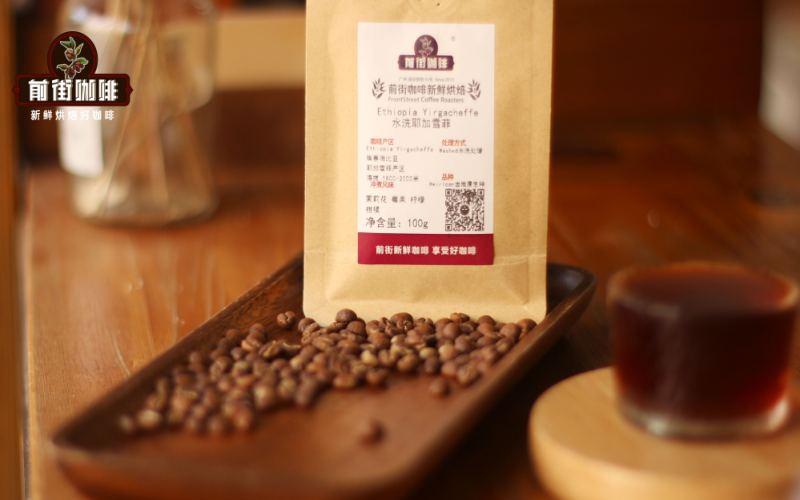
Why does Yirgacheffe Kochere coffee have such a pronounced acidity? A look at the region's characteristics and washed flavor profile
Devoted fans of Yirgacheffe are surely no strangers to the Kochere micro-region. Kochere is located in the heart of the Yirgacheffe prime zone and stands as its own district in the ECX production region classification, at an altitude of 1,650 to 1,800 meters. It is renowned for its washed processing and features a flavor profile with lively citrus acidity, silky sweetness, and rich fruity notes. Through cupping, Front Street Coffee found that coffee beans from this origin show outstanding aroma and mouthfeel and belong to the highest-grade G1 lot. This article will systematically analyze the source of Kochere coffee's acidity and its flavor characteristics, from the production region background, production model, and washed processing to the roasting curve and brewing parameters, and will include Front Street Coffee's roasting records and cupping report. [more…]
Colombian Specialty Coffee Varieties, Regions, and Flavor Overview: From MAM Commercial Beans to Southern Specialty Micro-Regions
Colombian coffee, with its inherent advantages of low latitude and high altitude, has become a major hub for specialty coffee. This article sorts out its variety structure—Caturra accounts for about half, the Colombia variety about thirty percent, and Typica only about twenty percent; it analyzes the flavor differences between the three major MAM commercial production regions and Bucaramanga in Santander Department in the northeast; and it focuses on the southern specialty micro-regions of Huila, Cauca, Nariño, and Tolima, all above 1,500 meters, presenting delicate acidity and aromatics, along with berry and caramel sweetness. The article also introduces the FNC's official statements on Caturra and the Colombia variety, and reminds buyers not to look only at the Supremo grade when purchasing—the region labeling is what really matters. Front Street Coffee's Colombian specialty beans are mainly based on southern sub-regions, which is worth noting. [more…]
Jamaican Blue Mountain Coffee Beans Flavor and Taste Analysis: Estate Production Region Growing Environment and Brand Introduction
Jamaica Blue Mountain coffee holds an unshakable status in the hearts of coffee lovers worldwide, with its balanced acidity, sweetness, body, and bitterness, elegant aroma, and smooth entry. However, true Blue Mountain coffee is produced in extremely limited quantities, and many so-called "Blue Mountain" coffees on the market are merely house blends. This article will guide you through Blue Mountain coffee's certification system, historical origins, the division of its three major growing regions, and how it differs from other Jamaican coffees, while also recommending related products from Front Street Coffee to help you understand and purchase this legendary coffee more rationally. [more…]
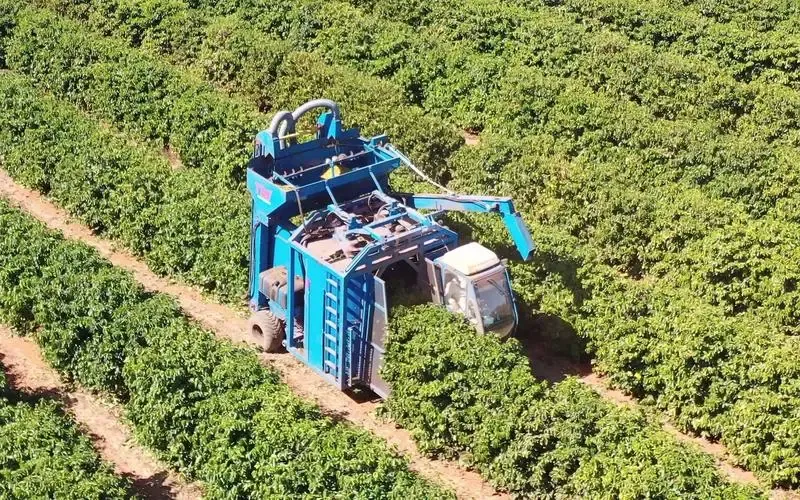
Brazil's coffee-growing regions face prolonged drought: harvest progress runs ahead of schedule, but yields are a concern, and prices are rising across the board.
Brazil is in the middle of its coffee harvest season, with 58% of the crop now gathered, ahead of the five-year average. However, although the hot, dry weather has favored picking, it has had a clear negative impact on coffee output: beans are smaller and yields are falling, and drought alerts have been issued in many areas. Production falling short of expectations has driven coffee prices steadily higher both in Brazil and abroad, with robusta and arabica futures posting sharp gains. The market is also worried that the coming La Niña phenomenon could deal a further blow to 2025/26 output. This article reviews the drought conditions in Brazil's various producing regions, the downward revisions to production, and price trends, and includes related recommendations from Front Street Coffee. [more…]
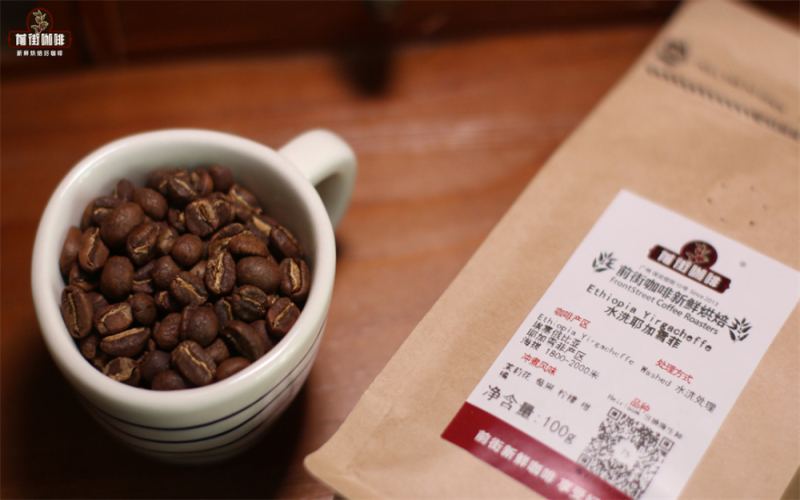
A Full Analysis of Natural Processing of Green Coffee Beans from Ethiopia's Sidama and Guji Regions and the Flavor of Huakui Lots
Sidamo and Yirgacheffe both belong to Ethiopia, yet Sidamo is renowned for its natural processing method, and Guji is an even newer rising star that has since broken away from it. This article covers geography, grading, and historical entanglements, then traces the origins of Hambela and Huakui, and explains the natural processing method and pour-over recommendations in detail. Front Street Coffee's daily bean selections and brewing parameters are also included, making it suitable for enthusiasts who want to gain a deeper understanding of Ethiopian natural coffee. [more…]
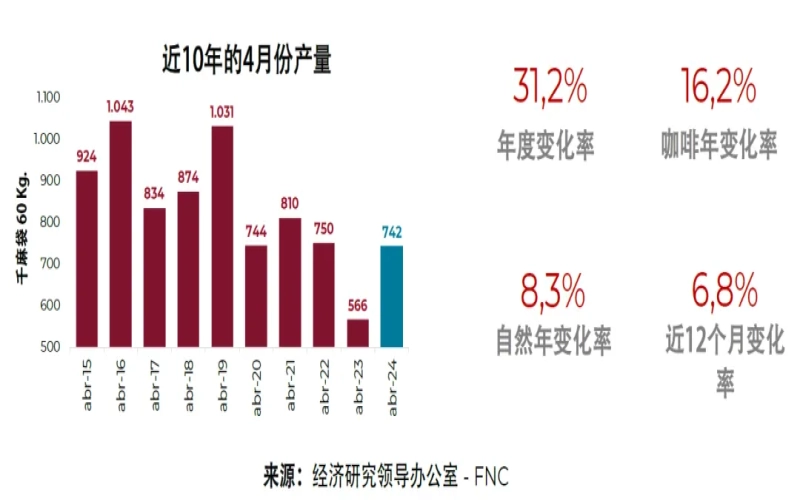
Turmoil in Colombian coffee regions escalates, yet 2024/25 output is still expected to climb to 12.4 million bags
The latest report from the National Federation of Coffee Growers of Colombia (FNC) shows that the country's coffee production reached 742,000 bags in April, an increase of more than 30% year-on-year, though down from March. Despite favorable weather that helped flowering, coffee farmers still face multiple challenges, including aging trees, frequent pest outbreaks and fluctuations in international prices. At the same time, escalating violence by anti-government armed groups in Cauca province has brought uncertainty to this important producing region. Colombia's coffee production for the 2024/25 season is expected to reach 12.4 million bags, with exports also expected to rebound. This article will analyze key points including production, exports, planting structure and policy support, and will also examine the potential impact of the security situation in producing regions on the coffee industry. [more…]
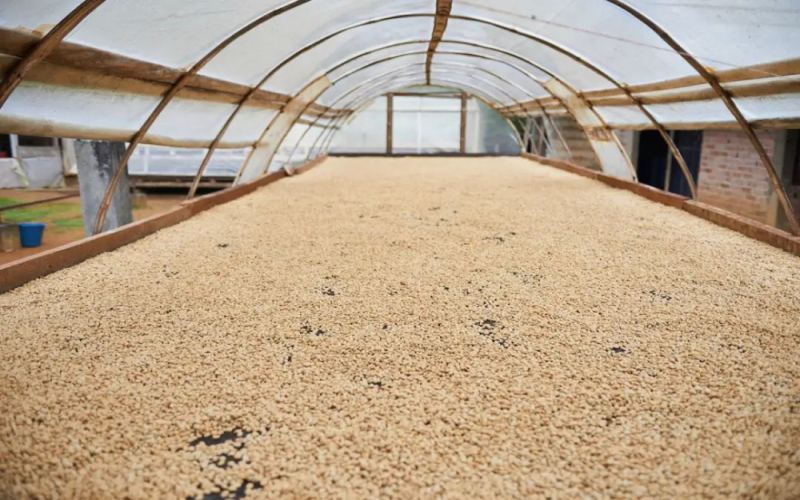
The Origins and Evolution of Colombian Specialty Coffee: From Missionary Introduction to the Industry's Rise Driven by the FNC
Colombia is the world's third-largest coffee producer and the largest producer of washed Arabica, with specialty-grade beans accounting for as much as 40% of its exports. From the chance introduction of coffee trees by missionaries in the early 18th century, to the spread of the small-farm model, and then to the founding of the FNC, which propelled the industry onto the international stage, Colombia has carved out a unique path of development. This article traces its cultivation history, analyzes the terroir characteristics of representative producing regions such as Huila, Cauca, Nariño, and Santander, and, drawing on Front Street Coffee's everyday-drinking bean series, shares brewing approaches and practical parameters for washed Colombian coffee. [more…]

Ethiopia Sidamo Natural Coffee Flavor Analysis, Pour-Over Techniques, and Regional Characteristics
Sidamo is an important specialty coffee region in Ethiopia, primarily using the natural process, with intense flavors, prominent sweetness, and notes of fermentation and fruit juice. This article starts from Sidamo's varieties, processing methods, and regional terroir to analyze the sources of its floral aroma, fruity acidity, and full-bodied mouthfeel, and further introduces sub-regions such as Guji and Arsi as well as the origins of Huakui coffee. At the same time, Front Street Coffee shares pour-over parameters and brewing steps for natural Sidamo to help coffee enthusiasts reproduce the floral and fruity aromas and high sweetness at home. [more…]

Luckin Regional Limited Release of Freshly Cut Fruit Drinks, Stores Add Slicing Tools Sparking Heated Discussion Among Employees and Consumers
Luckin Coffee recently launched region-exclusive new products in Shenzhen and Chengdu respectively. In Shenzhen, these include "Daily Fresh Lemon Tea," "Large Fruit Grape Fresh Lemon Tea," and "Fragrant Lemon Jasmine Americano," while Chengdu introduced "Snow Cheese Berry Berry." Unlike the previous use of freeze-dried fruit pieces, these new products incorporate fresh fruit handled on-site at the stores. The three lemon drinks in Shenzhen include lemon slices cut fresh the same day, and the Chengdu new product adds washed fresh strawberries. This change has raised consumer questions about whether stores are equipped for fresh cutting, and subsequently, Luckin employees in both locations posted photos of the delivered fruit and newly equipped fruit slicers as proof. However, employees in non-limited regions generally avoided commenting on this, and online reviews showed polarized opinions. [more…]
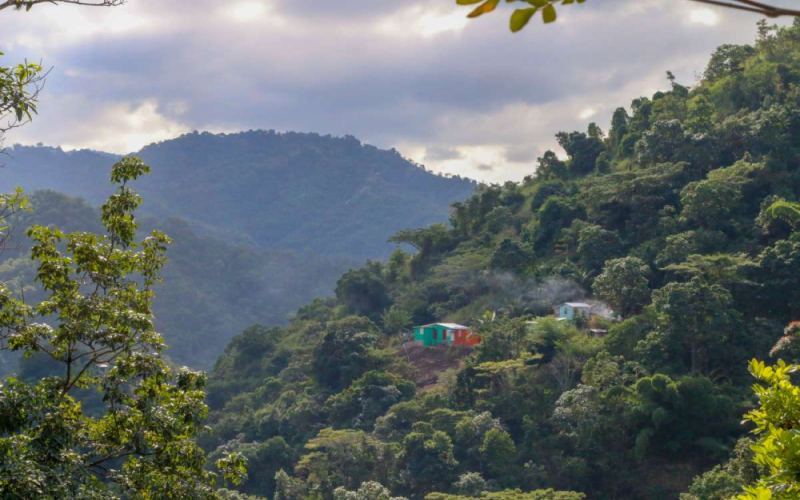
A Comprehensive Introduction to the Flavor Profile Analysis and Bean Characteristics of Jamaican Blue Mountain Coffee from the St. Thomas Region
Jamaican Blue Mountain coffee occupies an almost legendary position in the global coffee landscape, and the St. Thomas region is one of the three core producing areas that make up this legend. This article will systematically organize the characteristics and cup profile of coffee beans from the St. Thomas region from multiple perspectives, including geographical environment, historical evolution, industry management, and grade classification, while also introducing the quality certification system for Blue Mountain coffee and the deep influence of Japanese capital on the industry. For enthusiasts who wish to gain a deeper understanding of the true essence of Blue Mountain coffee, this is a regional guide that is both informative and professional. Front Street Coffee will also provide readers with reliable product references in this article. [more…]